
What is depression?
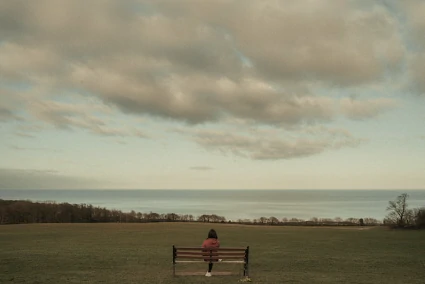
A fog, a shadow, a great weight, or an emptiness. This is how many people have described depression, one of the most common mental health conditions. Despite its high prevalence (over 264 million people suffer from it worldwide, according to the World Health Organization), those who endure it often feel alone and believe that no one can understand their pain.
While that is partly true, as no two experiences of depression are identical, each person experiences it in their own way. For instance, Gina might be unable to get out of bed, while Carla exercises excessively to escape feelings of shame. Marta may feel paralyzed by hopelessness and self-criticism, while Carlos, in contrast, struggles to feel anything.
Reactive depression vs. clinical depression
Reactive depression (formerly known as situational depression) is a natural human emotion that we all experience. It is a temporary sadness that arises in response to events such as a loss, a fight, or a life change. Over time, as we adapt to the new situation, this mood usually improves; this is what I address with my Reposact method.
Clinical depression is a more serious and prolonged condition. It goes beyond a simple emotional low and can interfere with a person's ability to function in their daily life. Sometimes, this condition is linked to chemical imbalances in the brain and often requires more intensive treatment, such as therapy and medication.
Although they are different, both can coexist. A difficult event can trigger clinical depression or exacerbate one that already existed. In any case, depression is a real and painful experience that affects millions of people of all ages and backgrounds, and its effects can feel overwhelming and isolating.
Symptoms of depression
The symptoms of depression vary greatly, but the most common are low mood and loss of interest in daily activities. Other common indicators include:
- Feelings of self-hatred or worthlessness
- Lack of energy or motivation
- Changes in appetite or sleep
- Difficulty concentrating or making decisions
- Feeling empty or numb
- Chronic aches or pains
- Despair or deep sadness
- Desire to isolate oneself
- Feeling disconnected from reality or oneself
- Suicidal thoughts*
*Note: If you have suicidal thoughts or self-harm urges, seek professional help immediately. You can contact 024, the suicide prevention hotline from the Spanish Ministry of Health.
These symptoms can be a response to a recent event, a symptom of another mental health issue, or a combination of both. If you experience any of these symptoms persistently, I can support you with my method, but it's also crucial to seek help from a specialized professional.
The relationship between childhood trauma and depression
Research indicates that by age 30, 85% of childhood trauma survivors experience some form of mental health issue, with depression being one of the most common. This is because the effects of trauma persist in the mind and body, even into adulthood.
The trauma can be so overwhelming that the brain processes it by numbing the emotions completely. While this survival strategy may have been necessary in childhood to cope with abuse, over time, this emotional numbness can become a gateway to depression.
Another factor is disconnection. Trauma can make survivors feel disconnected from themselves and others, leading them to avoid relationships to protect themselves from further pain. This isolation and loneliness can fuel depression, creating a cycle that is hard to break.
In addition, many survivors struggle with feelings of worthlessness, guilt, and self-hatred. These emotions deplete their self-esteem and reinforce negative beliefs about themselves, such as:
- "I don't matter, so nothing else matters."
- "I have no control over anything, so why even try?".
- "Because of my pain, it's better not to feel anything at all."
- "I don't deserve love or support."
- "If I can't 'handle' my trauma, I can't handle anything in my life."
These beliefs deepen the sense of purposelessness that accompanies depression.