
Logo

Soledad, the fertile void

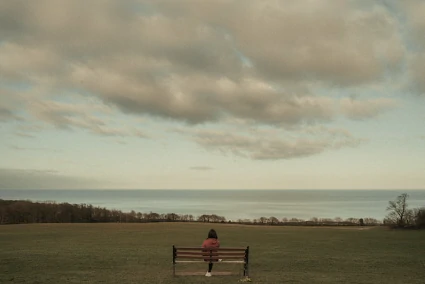
Loneliness is a silent garden where we can hear the heartbeat of our own essence. A necessary refuge to allow the voice of the soul to regain its course, transforming isolation into a sacred encounter of play and tenderness.

Can trauma cause loneliness?

Childhood trauma can leave deep emotional wounds that persist into adulthood, such as betrayal, self-loathing, and depression. These aftereffects hinder connection with others and the formation of meaningful relationships.

For many survivors, the trauma came from someone known, someone who was supposed to protect them. This adds a sense of deep betrayal to the physical trauma, which can be exacerbated if the response from family or the judicial system was not supportive.

Because the trauma occurred while the brain was developing, survivors may also experience emotional numbness. The brain may have learned that “trust is dangerous” and that “connection leads to pain.” As a result, it seeks to avoid abandonment and betrayal in the future. This can manifest in various ways: some become emotionally distant, others cling to harmful relationships, or in many cases, avoid relationships altogether.

As Anna Runkle says:

“Being able to love but not able to maintain a normal affectionate relationship is a devastating price to pay for what has happened. But the good news is that we can make progress in this area if we intentionally act on it.”

How loneliness manifests

The concept of "alone time" is often seen as something positive, a moment to recharge or be productive. However, the loneliness experienced by survivors is different. For them, being alone is not a moment of satisfaction, but a painful state of isolation.

Examples:

  • Georgina: avoids family events to not see her abuser, but deep down she misses her family.
  • Beatriz: is shy and quiet, wanting to make friends but not knowing how, as she struggles to trust others.
  • Bruno: has many dates but cannot name anyone he could trust in a crisis, as deep connections seem to not exist in his life.
  • Elena: feels extreme anxiety before social events and prefers to stay home because being alone is easier and less exhausting.
  • Tania: fears her partner will leave her, as she wonders who would want to be with someone who lashes out uncontrollably when frustrated.
  • Sonia:, despite the great progress she has made in therapy, wishes she had someone besides her therapist to share her most intimate feelings with.

This loneliness has a double cost for the person: not only do they struggle with the wounds of the past, but they also deprive themselves of the joy and strength that come from human connection.

Is it worth connecting?

You may wonder if it is worth the effort to seek new relationships. It is common to think that it is easier to heal in isolation, but the truth is that complete healing cannot occur in solitude. Walking away from relationships was an important survival mechanism, but full recovery involves allowing others into your life and showing that they will not violate your trust.

Connecting with others brings multiple benefits:

  • Support for healing: Social support can alleviate the emotional effects of trauma.
  • Better quality of life: Increased social support is associated with a longer life and better quality of life.
  • New perspectives: Hearing others' stories can give you new ways of viewing your own experience.
  • Validation and self-esteem: Receiving validation from others helps boost your self-esteem.
  • Helping others: The opportunity to love and support others in their healing process can be a way to heal yourself.

A path to healing through social connection

Developing healthy relationships and connections with others can be key to healing. We all need help from individuals we trust and who care about our well-being. For someone who has experienced trauma, this is even more crucial. Your ability to overcome the effects can be accelerated if you surround yourself with healthy and safe relationships, where support and reciprocity are mutual.

Look for people with whom you can interact regularly, build trust over time, and allow others to create more meaningful connections with you. Find those who offer you feedback when you need it, but who also respect your boundaries.

Resources to help you combat loneliness

Write to me and I will send you three recommendations from my Reposact method. Each of these recommendations is a tool that can be effective in helping you combat the loneliness you are currently experiencing.

Masaje Ayurveda

Ayurvedic massage, the sacred touch.

An ancestral technique for integral balance. 

Arteterapia-escritura-terapeutica

Art therapy and therapeutic writing, inhabiting the canvas and the paper

The power of creativity for self-awareness

Terapia con Sueños

Terapia con sueños, una fuente inagotable de sabiduría

Un puente entre nuestro mundo consciente y el vasto universo de nuestro ser interior

Danza Movimiento Terapia

Danza Movimiento Terapia, habitando nuestro ser.

El camino para recuperar la conexión profunda y vital con nuestro cuerpo, que a menudo perdemos en un mundo enfocado en la mente.

Sonoterapia

Sound therapy, calibrate your frequency.

The relaxing frequencies balance your body and mind. 

Terapia Gestalt

What is Gestalt?

Facilitates awareness in the present, giving voice to your emotions, to understand and process your discomfort responsibly. 

Masaje Acuático - Watsu

Water massage, return to the origin

The water and the maternal uterus

Problems of sexual intimacy, the yearning for contact

True intimacy begins by feeling safe in our own skin

Emotional numbness, turning down the volume of life

The silence is not the absence ofemotion, but a necessary pause for our nervous system. 

Physical pain, when the body speaks

practice calm to relieve the tension that holds your pain

Flashbacks, the past that insists

Navigating the storms of memory, anchoring presence and calm in the now

Dissociation, the splitting of the soul

Make the body a home, to bring back our parts from exile

Stress and post-traumatic stress, from a state of alert to calm

Inhabiting the body to heal the trauma memory.

Duel, honor the void

Make space in your body to feel the loss calmly. 

Shame, soften the internal gaze

Transforming judgment into self-compassion

Difficult relationship with the body, from conflict to listening

Make peace with your home by allowing yourself to feel

Communication problems, clearing the way to your voice.

Feel the body in silence to hear your voice

Panic attacks, deactivate the alarm

From the fear of stillness, the co-regulation to navigate intensity.

Complex relationships, the bond as a mirror

The art of closeness from tenderness and presence

Detonators, the body has memory.

Identify the signals that trigger your alert to return to a safe place

Deep sadness, lighten the weight of existence.

Sadness asks us to stop, listen, and simply be

Sleep disorders, making the night your home

The body that releases, the mind that sleeps: regulating your nervous system to regain peace

Unhealthy behaviors, beyond guilt

When the symptom is a scream, we listen to the deep need behind each impulsive behavior

Learning to be with you is the most important bond you will cultivate, I am here to accompany you.